
Zoologia - Centrum Edukacji Przyrodniczej
Exhibitions
We've collected our articles published on social media here so you can find them in one place.
az
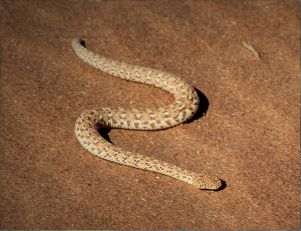
Sideways, Sideways Through the Desert, or How Snakes Walk, Part 2
18.07.2025
Anyone who has ever run barefoot across hot sand will never forget to bring sandals to the beach. But what do you wear sandals with when you're a legless animal? And how do you even move across the soft sand without the aid of your limbs? The solution to this problem is sidewinding—a unique form of locomotion among desert snakes that minimizes contact with the scorching sand.
Read More o Sideways, Sideways Through the Desert, or How Snakes Walk, Part 2
az
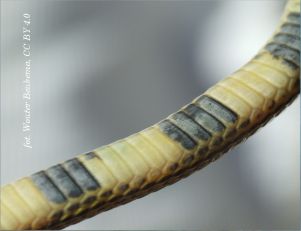
Straight Ahead, or How Snakes Walk, Part 1
11.07.2025
Let's start by saying that snakes DON'T WALK. They can crawl, climb, swim, and even glide, but walking without legs is truly impossible! The way they move depends on how full the snake is, where it's going and why, the species of snake, and the substrate. In our series "How Snakes Walk," we'll discuss several ways these unique reptiles move.
Read More o Straight Ahead, or How Snakes Walk, Part 1
sf
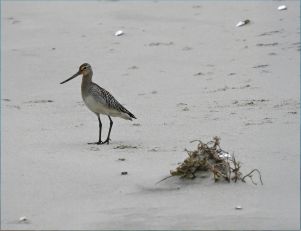
Szlamnik - record-breaking aviator
27.06.2025
Have you ever seen a Godwit, also known as a common Godwit or a rusty Godwit? In Poland, we can see it migrating between its breeding grounds located in the tundra and forest-tundra in northern Europe and Asia and its wintering grounds located on the shores of seas and oceans in western Europe, Asia and Africa.
Read More o Szlamnik - record-breaking aviator
kzg
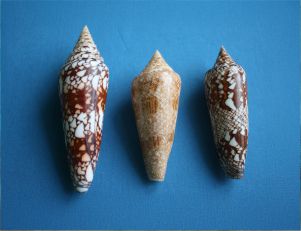
Cones - deadly beauties
20.06.2025
At first glance, they look like real treasures - their shells are amazing in color and pattern. No wonder collectors all over the world dream of getting their hands on them. But be careful! Conidae are one of the most poisonous sea snails, and some species can kill a human with one bite!
Read More o Cones - deadly beauties
bk
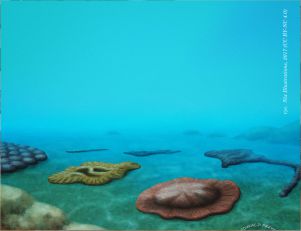
The first multicellular organisms on Earth
13.06.2025
Although the Ediacaran fauna are the first mass-produced multicellular organisms, their appearance on Earth dates back to about 600 million (0.6 billion) years ago, at the very end of the Precambrian. However, we know that multicellular organisms appeared on Earth much earlier. These include Grypania from 2.1 billion years ago, interpreted as an algal thallus, and Horodyskia, which appeared between 1.5 and 0.9 billion years ago, sometimes interpreted as a fungus, but sometimes as a bacterial colony.
Read More o The first multicellular organisms on Earth